
Carbon Steel vs Stainless Steel Kitchen Knives: The Honest Trade
October 13, 2026 · By Matt
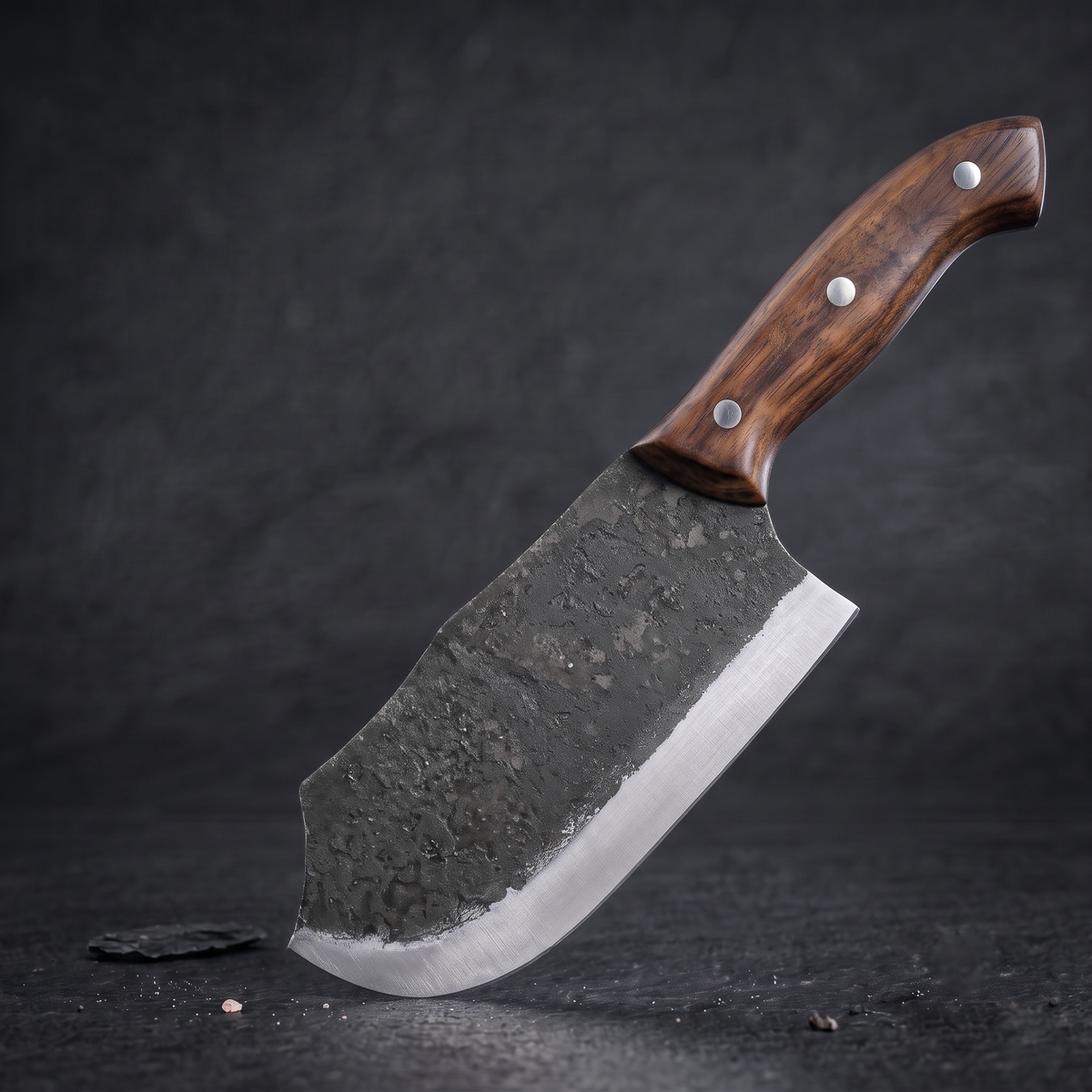
Carbon steel kitchen knives take a keener edge and are far easier to sharpen on a stone, but they rust if you leave them wet and they darken with use. Stainless steel knives shrug off water and neglect, and give up some of that easy sharpness in exchange. The right pick depends less on the steel and more on how you treat a knife after dinner.
Every knife forum has a thread where two people argue about this until one of them leaves to sharpen something. The argument usually skips the boring part, which is that both steels work and both have a price. One asks you to dry the blade. The other asks you to put up with an edge that is harder to bring back once it goes. Since every knife we make is hand forged high carbon steel, we clearly picked a side, so read the rest with that bias in mind. We will try to be fair to the other camp anyway.
What Is the Difference Between Carbon Steel and Stainless Steel?
All steel is iron with some carbon in it. Carbon is what lets steel harden, and hardness is what lets a thin edge stay thin instead of folding over the first time it meets a chicken thigh. A plain carbon steel is mostly that recipe: iron, carbon and very little else. A high carbon steel simply carries enough carbon to harden well, which is why it has been the default for blades for a very long time.
Stainless steel adds chromium, and quite a lot of it. The chromium reacts with oxygen in the air and forms a very thin, invisible film on the surface. That film is what keeps water from getting at the iron underneath, so the blade does not go orange after a night in the sink. It is less a coating than a property of the alloy itself, which is why scratching a stainless knife does not suddenly make it rust. Wikipedia puts the threshold at a chromium content of 10.5 percent or more, which tells you how much of the recipe changes before steel earns the name: Wikipedia's article on stainless steel.
That extra alloy is the whole trade. Chromium buys rust resistance. It also changes how the steel behaves at the edge and on the stone, which is where the arguments start.
What Does High Carbon Steel Give You?
An edge that gets properly keen
High carbon steel sharpens to a fine, clean edge without much fuss. A few minutes on a medium stone raises a burr, a few more on a fine stone refines it, and the knife goes back to falling through an onion instead of crushing it. That is the main reason cooks who sharpen their own knives keep coming back to carbon steel. The steel responds to the stone quickly, so you spend less time grinding and more time cooking.
Easy sharpening at home
This matters more than people think. A knife that is a pain to sharpen tends not to get sharpened, and a dull knife is worse than either steel on paper. With high carbon steel you can bring a tired edge back on a basic combination whetstone, and the honing rod does a lot of the work between sessions.
Character that builds over time
Carbon steel changes color as you use it. That darkening, called patina, is covered further down. Some people love it, some people think the knife looks dirty, and neither group is going to convince the other. On a hand forged blade like the Rhino 8" Serbian cleaver, with forge scale left on the flats, the patina just joins the rest of the texture.
What Does High Carbon Steel Cost You?
It rusts if you leave it wet
This is the big one. Without the chromium film, the iron in carbon steel will happily rust when water sits on it. Leave a wet carbon knife on the draining rack overnight and you may find orange spots in the morning. It is not a disaster. Light surface rust comes off, and our guide on how to remove rust from a carbon steel knife walks through it. But it is a chore you could have skipped by drying the blade.
It needs drying and a little oil
The fix for rust is simple and it is the same every time. Wash by hand, dry at once, and wipe on a light coat of food safe oil if the knife is going to sit for a while. No dishwasher and no soaking, which most decent knives should avoid anyway, stainless or not. The routine takes about as long as finding a clean towel. The cost is not effort so much as habit.
It reacts with acidic food
Cut a lemon, a tomato or a pile of raw onion with a fresh carbon steel blade and you may see the steel go grey or blue where the juice touched it. Some cooks notice a faint metallic note on very acidic food cut with a new blade that has not built up any patina yet. Once a patina forms, the reaction calms down a lot. Until then, wipe the blade after cutting anything sour rather than leaving the juice sitting on it.
What Does "High Carbon Stainless" Mean on a Label?
You will see "high carbon stainless steel" printed on plenty of knife boxes. It sounds like you get both sides of the trade for free, which should already make you a little suspicious. In plain terms, it means a stainless steel with more carbon added than the most basic stainless grades, so it can be hardened better and hold an edge longer. It still has the chromium, so it still resists rust.
That makes it a compromise, and a reasonable one. You get better edge holding than cheap stainless, and you keep most of the low maintenance. What you usually do not get is the easy feel on the stone that plain high carbon steel gives you, and you do not get a patina. The phrase itself is not a grade or a standard, so two knives with the same words on the box can behave very differently. If a brand does not tell you what steel is underneath, the label is doing the work of a marketing department, not a metallurgist.
For the record, that is not what we make. Every Xcutlery knife is hand forged high carbon steel, with no added chromium film to hide behind. We do not publish a steel grade or hardness number for them, and we are not going to invent one to win an argument on the internet.
What Is Patina, and Should You Worry About It?
Patina is the thin layer of darker color that forms on carbon steel as it meets food, water and air. It shows up as grey, blue, brown or a mottled mix, often in streaks that follow whatever you cut last. Raw meat, onions and fruit all leave their own marks. It is a stable oxide on the surface, which is a different thing from red rust, and it tends to slow down the reactive behavior of a fresh blade.
So no, you should not worry about it. Patina is normal and expected on high carbon steel, and you do not need to scrub it off. Red or orange rust is the thing to deal with. The quick test is your finger. Patina is smooth and part of the surface. Rust is rough, flaky or powdery, and it leaves orange on a paper towel. If you see that, follow the rust guide and then get back to drying the knife properly.
Carbon Steel vs Stainless Steel Knives at a Glance
| Property | High carbon steel | Stainless steel |
|---|---|---|
| Edge | Takes a keen, clean edge | Varies a lot by grade, often less keen on cheaper grades |
| Sharpening | Quick and easy on a whetstone | Often slower on the stone, depends on the grade |
| Rust | Rusts if left wet | Resists rust thanks to chromium |
| Care | Hand wash, dry at once, light oil | Hand wash and dry, more forgiving if you forget |
| Patina | Darkens with use, normal and harmless | Stays bright, no patina |
| Who it suits | Cooks who sharpen their own knives and dry them after use | Cooks who want a knife that tolerates a wet sink |
Treat the table as general trends. There are excellent stainless knives and dreadful carbon ones, and the maker matters as much as the metal. How the blade was forged and ground is part of that, which our guide to hand forged vs stamped knives covers in more detail.
Who Should Buy Carbon Steel, and Who Should Not?
Buy carbon steel if
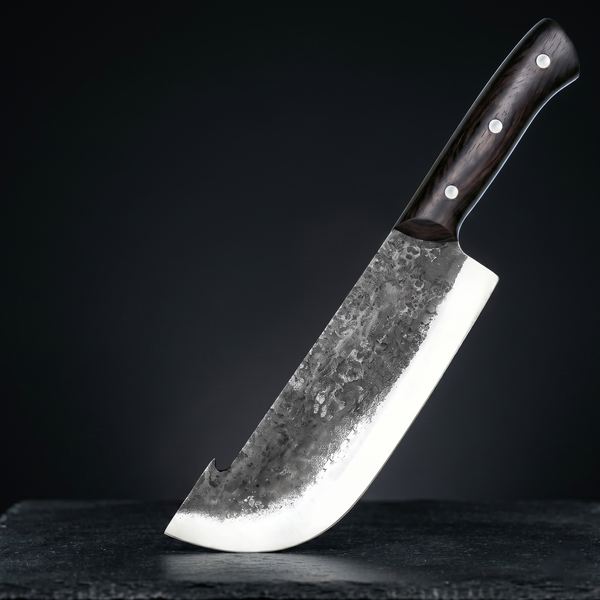
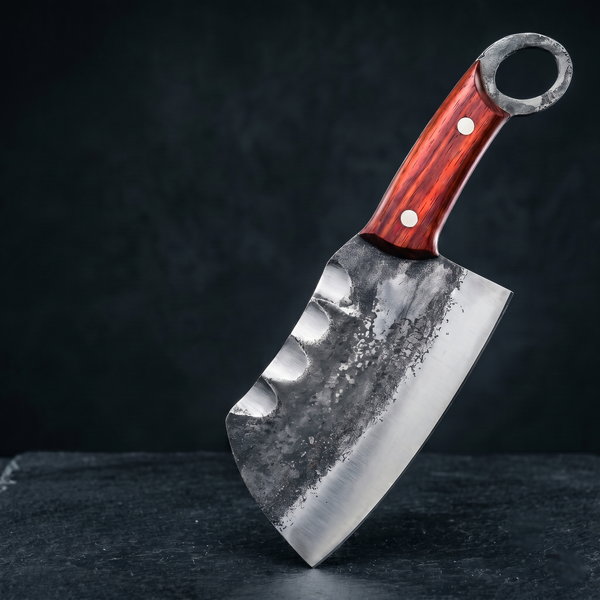
You already rinse and dry a knife as soon as you finish with it, or you are willing to start. You like keeping your own edge sharp on a stone. You cook a lot of meat and want a blade that bites cleanly into skin and fat. You do not mind a knife that looks used, because it is. A heavy chopper like the Kodiak 8" butcher cleaver or the hammer textured Kraken 8" cleaver fits that cook well, and so does a lighter everyday blade like the Orca 7" chef knife.
Skip carbon steel if
Your knives live in the dishwasher, or in a sink of water until someone gets round to them. Several people share the kitchen and at least one of them thinks drying a knife is optional. You want a knife you can forget about for a week. None of that makes you a bad cook. It just means stainless will make you happier, and a carbon knife will spend its life looking sorry for itself.
The middle ground
Plenty of people own both. A stainless knife for the shared kitchen drawer, and a carbon steel knife that belongs to one person and gets dried by that person. If you are curious about carbon steel but nervous about the upkeep, start with one blade you use most, like the Kermode 7" chef cleaver, and see whether the routine sticks before buying a drawer full.
A Care Routine for High Carbon Steel That Takes Two Minutes
- Wash by hand with warm water and a little soap straight after use. Do not let it sit in the sink.
- Dry it at once with a towel, spine to edge, including around the handle and the steel pins.
- Wipe on a thin coat of food safe oil if the knife will sit unused for more than a day or two.
- Store it dry, on a magnetic strip, in a block or in a sheath, not loose in a damp drawer.
- Wipe the blade after cutting anything acidic, rather than leaving the juice on it.
- Hone lightly between sharpenings, and go to the stone when honing stops bringing the edge back.
That is the whole job. No dishwasher, no soaking, and no panic when the blade turns grey. The fuller version, including how to store a knife long term, is in our high carbon steel knife care guide. Every Xcutlery knife also carries a lifetime warranty against defects in materials and craftsmanship, though rust from a night in the sink is, sadly, a care issue and not a defect.
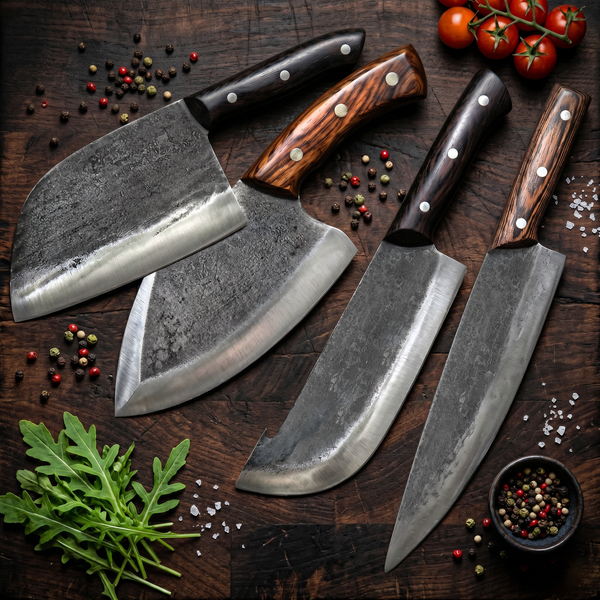
If you want to see what a carbon steel kitchen looks like in practice, our hand forged cleavers run from compact prep choppers to heavy bone splitters, with long slicers like the Mamba 11" brisket slicing knife for the jobs a cleaver should not do. And if rust has already turned up on an old blade, the rust removal guide will get it back before you decide which camp you are in. If you have decided carbon is for you, the full range is in our high carbon steel kitchen knives.
Questions
Is carbon steel or stainless steel better for kitchen knives?
Neither wins outright. Carbon steel takes a keener edge and is easier to sharpen on a stone, but it rusts if left wet and darkens with use. Stainless steel resists rust and forgives a forgetful cook, and is often slower to sharpen. Pick carbon if you dry your knives, stainless if you do not.
What does high carbon stainless steel mean?
It is a stainless steel with more carbon added than the most basic stainless grades, so it hardens better and holds an edge longer while keeping the chromium that resists rust. It is a compromise between the two camps. The phrase is not a grade or standard, so two knives with that label can behave quite differently.
Do carbon steel knives rust?
Yes, if water is left sitting on them. Carbon steel does not have the chromium film that protects stainless steel, so a wet blade left overnight can show orange spots. Hand wash it, dry it at once and wipe on a light coat of food safe oil, and rust stays rare. Light surface rust can be removed.
Is patina on a carbon steel knife safe?
Yes. Patina is the grey, blue or brown color that forms on carbon steel as it meets food and air. It is a stable layer on the surface, it is normal, and you do not need to scrub it off. It differs from red rust, which feels rough or powdery and leaves orange marks on a paper towel.
What steel are Xcutlery knives made from?
Every Xcutlery knife is hand forged high carbon steel, full tang with steel pins and forge scale or hammer texture left on the flats. They rust if left wet, so they need hand washing, drying at once and a light coat of food safe oil. Patina is normal, and every knife carries a lifetime warranty against defects.
Shop the knives from this guide
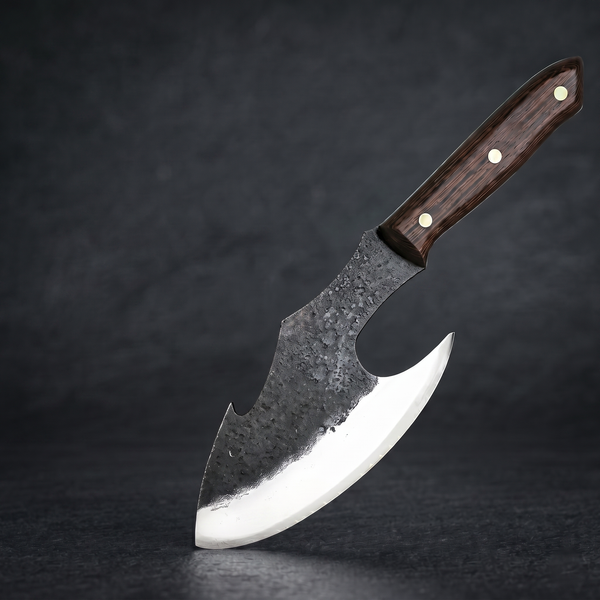
Keep reading
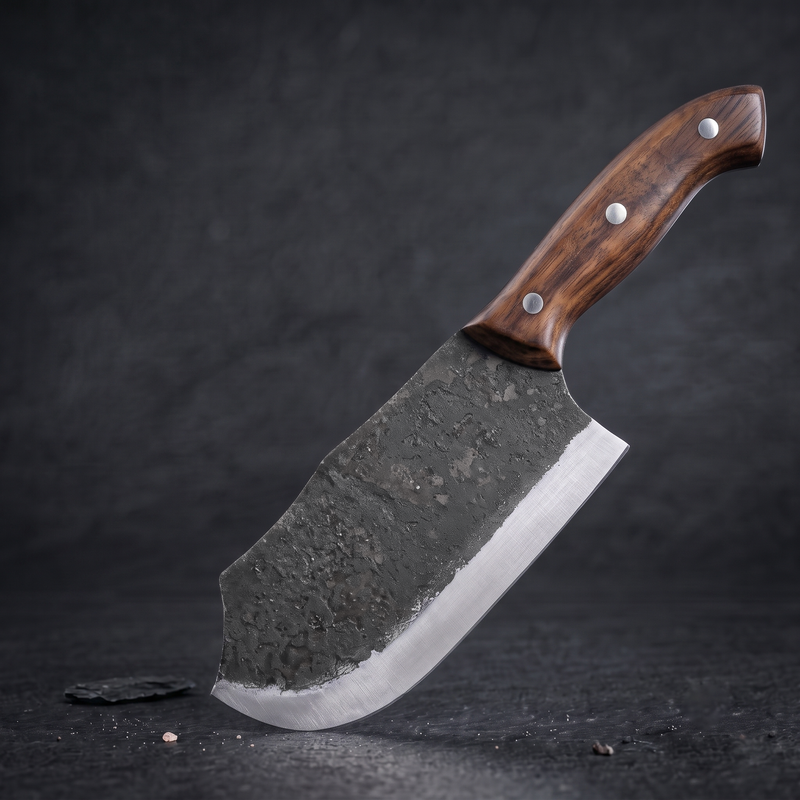
High Carbon Steel Knife Care: Rust, Patina, Oiling and Sharpening
High carbon steel rewards a simple routine. Here is how to wash, dry and oil a carbon steel knife, remove light rust, force a...
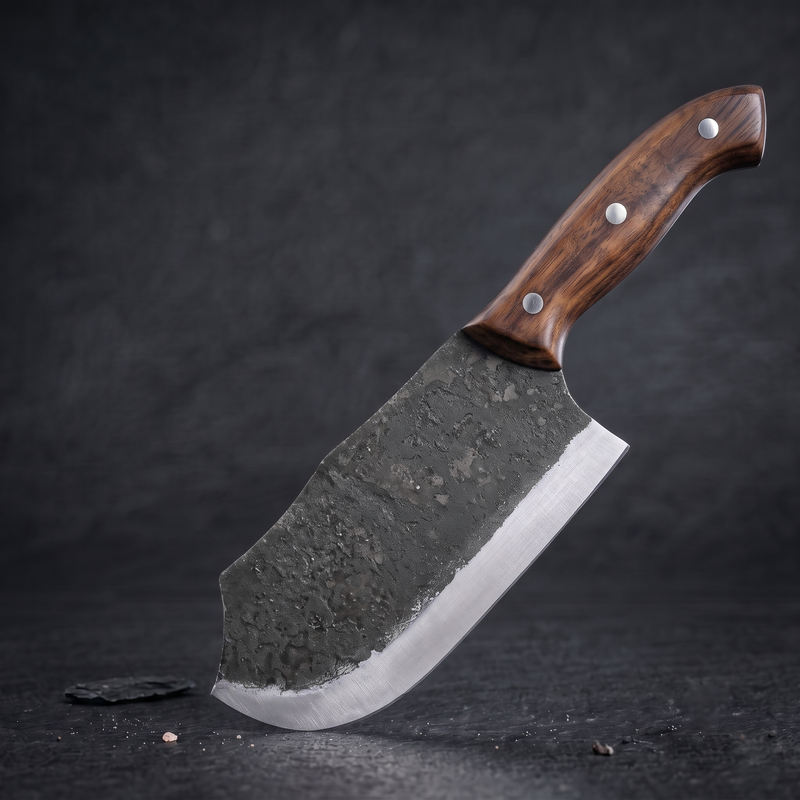
How to Remove Rust From a Carbon Steel Knife Without Ruining It
Rust on a hand forged high carbon steel knife is a chore, not a funeral. This guide shows how to tell rust from patina...
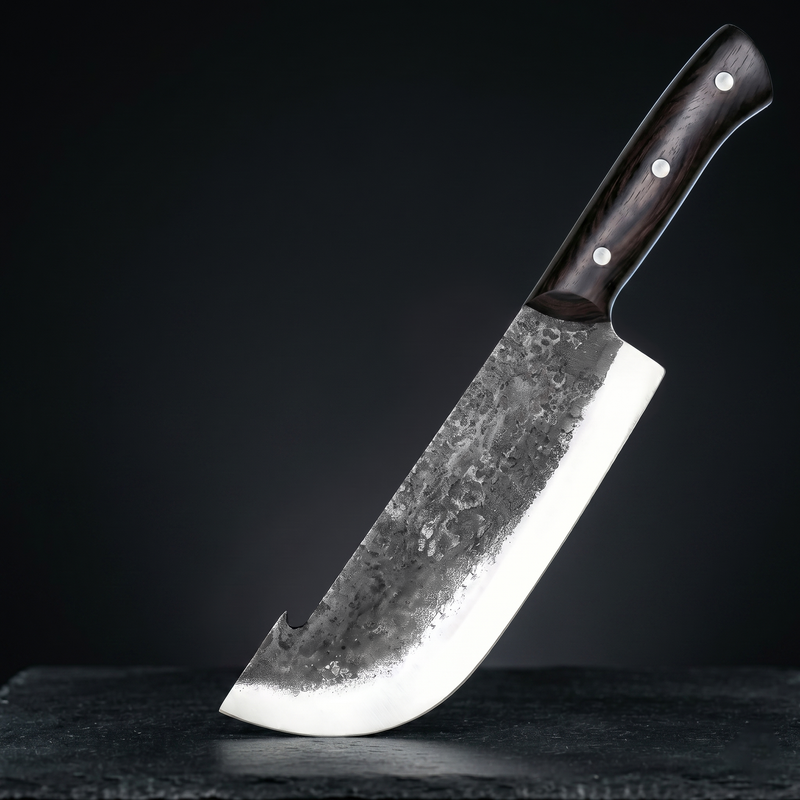
Hand Forged vs Stamped Knives: What Actually Changes
Forged vs stamped knives, explained by people who forge them. How a stamped knife is made, how drop forged and hand forged knives differ,...