
How to Remove Rust From a Carbon Steel Knife Without Ruining It
October 13, 2026 · By Matt
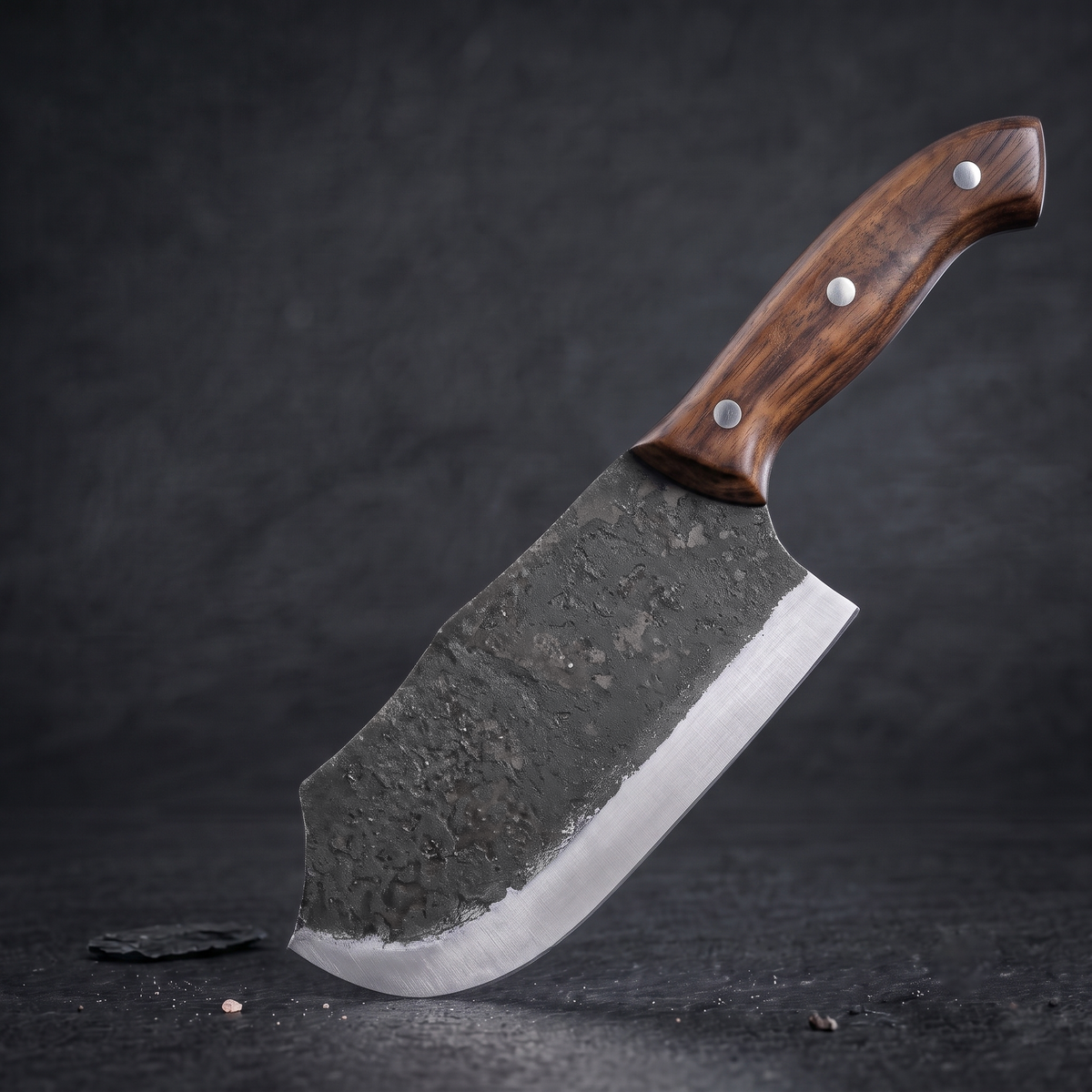
To remove rust from a carbon steel knife, start with the gentlest thing that works. Wash and dry the blade, rub the spots with a paste of baking soda and water on a cork or soft cloth, rinse, and dry it at once. If the rust is heavier, stand the blade in white vinegar for 15 to 30 minutes, scrub, rinse, neutralise, dry and oil. Use a rust eraser or fine abrasive only if those two leave something behind, and keep all of it off the dark forge scale on the flats.
Rust on a hand forged knife feels like a personal failure, which is a lot of weight to put on a few orange freckles. High carbon steel rusts because it is high carbon steel. The same property that lets it take a fine edge means it does not forgive a wet sink. This guide covers telling rust from patina, the two kitchen cupboard methods, when an abrasive earns its place, what makes things worse, when a blade is genuinely finished, and how to stop it happening again.
Is It Rust, Patina, or Forge Scale?
Three things live on the surface of a high carbon steel blade and only one is a problem. Rust is the orange or red brown stuff. It is loose, it leaves colour on a paper towel, and left alone it keeps going. Patina is the grey, blue or brown shading the steel picks up from onions, meat and acidic food, a thin, tight oxide layer that stays put when you wipe it. Forge scale is the dark, almost black skin left on the upper flats of our blades by the forge, and hammer texture is the dimpled surface on a knife like the Kraken 8" cleaver. Both were left there on purpose and both are worth keeping.
Patina is not rust. Both are iron oxides, but patina is the stable kind that behaves itself. Red rust lifts off in flakes and does nothing to shield the steel underneath, which is why a small spot grows into a bigger one when it is ignored: Wikipedia on rust.
Surface rust or pitting?
Wipe the spot, then run a fingernail over it. Surface rust sits on top. It feels like a smudge and the steel under it is still flat. Pitting has eaten down into the steel and left a tiny crater you can feel, and once clean the spot stays dark grey instead of coming up bright. Surface rust comes off completely. Pitting cleans up but the mark stays, like a scar. Neither is a reason to panic unless the pit sits on the edge itself.
What You Need, and What to Keep Away From the Knife
Gather
Baking soda. White vinegar. A tall glass the blade fits in without the handle going under. Something soft to scrub with: a wine cork, a cloth, a nylon pad or a toothbrush. Paper towels. Food safe mineral oil. For stubborn rust, a rust eraser block or a small piece of very fine wet and dry paper, around 1500 grit or finer, wrapped around that same cork.
Keep away
Steel wool on the flats. It takes rust off, takes forge scale and patina off with it, and leaves a haze of fine scratches that rust faster than the surface you started with. Bleach, an oxidiser, which makes the rust worse while it bleaches the wood handle. The dishwasher: hot water, harsh detergent and a long humid drying cycle, a rust recipe with a timer. And any powered tool. A bench grinder removes the rust and then keeps going and removes the knife.
The Baking Soda Paste Method
Try this first, every time. Baking soda is a mild abrasive and mildly alkaline, so it lifts loose rust without touching the patina or scale around it.
- Wash and dry the blade. Warm water, a drop of dish soap, dry it fully, so you can see what you are dealing with.
- Mix the paste. Two or three parts baking soda to one part water, thick enough to stay where you put it.
- Apply it to the rust only. Spread it on the spots and leave it for 15 to 30 minutes. On a cleaver with heavy scale like the Rhino 8" Serbian cleaver, keep the paste on the bright lower part of the blade where rust usually starts.
- Scrub. Rub with the cork, cloth or nylon pad along the length of the blade, edge pointed away from your fingers. A cork is the old butcher's answer: firm enough to shift rust, too soft to mark steel.
- Rinse and dry at once. Rinse under the tap and towel it dry immediately.
- Check and repeat. Light rust goes in one round. If a spot survives the second, move on to vinegar.
Then oil it. There is a section on that below, because people skip it and then ask why the rust came back.
How Long Can You Leave a Carbon Steel Knife in Vinegar?
Not long, and never overnight. Household white vinegar is a weak acid, around 5 percent acetic acid, and it dissolves rust well. The problem is that it does not know when to stop. Once the rust is gone it starts on the steel, and it strips patina on the way, so a blade left in vinegar for hours comes out a dull, etched grey that rusts faster than before. Fifteen minutes is a sensible first check, thirty is usually plenty, and an hour is the ceiling. A blade that needs an hour needs a rust eraser instead.
- Stand the blade in the vinegar in a tall glass, edge down. The handle stays out. Wood, even sealed wood, does not want an acid bath, and neither do the pins.
- Check every 10 to 15 minutes. Lift it out, wipe one spot and look. When the rust wipes away, stop soaking.
- Scrub. Nylon pad or cork, along the blade. The rust comes off as a dark slurry.
- Rinse and neutralise. Rinse under the tap, then wipe the blade with a little baking soda paste to stop the acid working on in the pits.
- Dry at once and oil. The surface vinegar leaves behind is chemically clean and raw, which is exactly the surface rust loves, and it can show fresh orange within minutes if it sits wet on the counter. Dry it, then oil it.
Expect the soaked area to look lighter and flatter than the rest. That is the patina gone. It returns with use, and on a long flat blade like the Mamba 11" brisket slicer an uneven patina shows more than on a stubby cleaver, so soak the whole bright area rather than one spot.
When to Use a Rust Eraser or Fine Abrasive
A rust eraser is a rubber block with fine abrasive mixed through it. Wet it, rub it along the rusted area, and it takes the rust off with a very thin layer of the surface. Fine wet and dry paper wrapped around a cork does the same job with more control. Use either when paste and vinegar have left dark pitted spots that bother you, or when a patch is too heavy to soak out.
The rules are short. Work along the blade in one direction. Stay on the bright steel near the edge, because an abrasive takes forge scale straight off and leaves a bald patch that will not grow back. Use the lightest pressure that moves the rust and stop as soon as the orange is gone. On a hammer textured blade like the Mastodon 7.5" cleaver, the dimples hold rust an eraser cannot reach, so use a toothbrush and paste on the texture and keep the eraser for the smooth steel above the edge.
Which Rust Removal Method Should You Use?
| Method | What it removes | Time | Risk to the finish |
|---|---|---|---|
| Baking soda paste | Light surface rust, fresh spots | 15 to 30 minutes plus scrubbing | Very low, keeps patina and forge scale |
| Vinegar soak | Moderate to heavy surface rust, rust down in pits | 15 to 60 minutes, checked every 10 to 15 | Strips patina where it touches, etches the steel if left too long |
| Rust eraser | Stubborn spots, dark stains left in pits | A few minutes | Leaves a satin patch, removes forge scale if it touches it |
| Fine wet and dry paper | Heavy local rust, light pitting | 5 to 15 minutes | Highest, visible scratch pattern, keep it off the flats |
| Steel wool | Rust, and everything else | Fast | Strips scale and patina, leaves scratches that rust again |
Work down the table from the top. Most rust on a kitchen knife never gets past the first row, and the last row is there so you know why not.
Oiling the Blade After Rust Removal
Every method above leaves the steel cleaner than it was, and clean steel is unprotected steel. Dry the blade fully, put a few drops of food safe mineral oil on a paper towel and wipe both sides from spine to edge. Wipe off the excess until the blade looks dry but feels slick. A heavy coat is not more protection, it is a dust magnet that goes sticky. Mineral oil does not go rancid.
Oil the handle too if it got splashed. The normal routine once the rust is gone is set out in the high carbon steel knife care guide.
When Is a Carbon Steel Knife Beyond Saving?
Rarely. Most blades people assume are dead are a vinegar soak and an evening away from working again. A pit on the cutting edge leaves a nick that tears instead of cuts, but even that is fixable: sharpen the edge back past the pit, the same job as fixing a chip, covered in our guide to how to sharpen a meat cleaver. The blade loses a hair of height and gains an edge again.
The genuine write offs are a crack running into the steel and deep rust at the tang that has lifted the wood or loosened the pins. On a full tang knife with steel pins that takes years of wet storage, not one forgotten weekend. Rust from storage is not a defect in materials or craftsmanship, so it is not a warranty matter, but it is almost always repairable. A heavy blade like the Kodiak 8" butcher cleaver has enough steel in it that a few scars on the flat change nothing about how it cuts.
How to Stop the Rust Coming Back
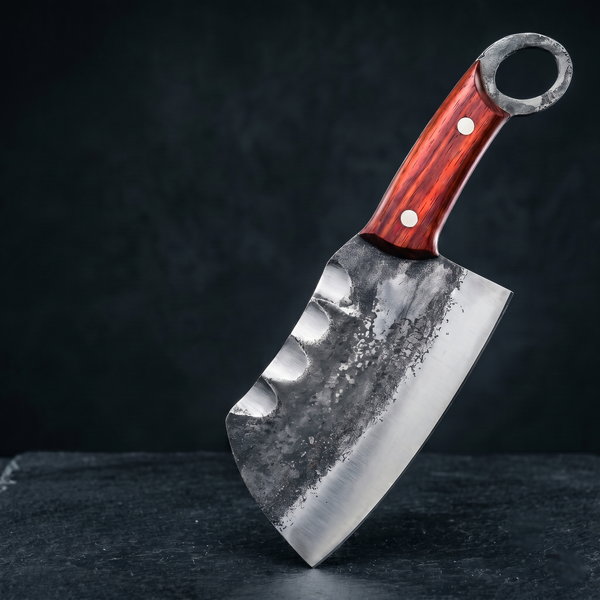
The methods above fix the symptom. The cause is water sitting on steel, and the fix for that is boring. Wash the knife by hand straight after use and dry it straight after washing. Do not leave it in the sink or on a wet board while you eat. Wipe the blade between tasks when cutting something acidic, because tomato juice drying on steel does more harm than the cutting did. Store it somewhere dry with air around it. A cleaver with a finger hole, like the Megalodon 6.6", needs a second look at drying time because the hole holds a drop the towel misses.
Oil the blade lightly whenever it will sit for more than a few days. Let the patina build. A blade with an even patina spots far less than a freshly bright one, which is why a Kermode 7" chef cleaver used daily stays cleaner than one kept for special occasions. Use is the best rust prevention there is, and also the point of owning the knife.
If you are still deciding whether a hand forged blade is worth the attention it asks for, hand forged vs stamped knives lays out the trade honestly, and our hand forged meat cleavers are all built from the same high carbon steel this guide was written for. Keep them dry and the only part of this page you will need is the bit about patina.
Questions
Is the dark grey or blue colour on my carbon steel knife rust?
No. That is patina, a thin and stable oxide layer the steel builds from contact with food. It sits flat, does not wipe off on a towel and actually slows down rusting. Rust is orange or red brown, feels loose and leaves colour on a paper towel. Leave the patina alone and remove only the orange.
How long should I soak a carbon steel knife in vinegar to remove rust?
Check it after 15 minutes and stop as soon as the rust wipes away. Thirty minutes is usually enough and an hour is the limit. Never leave it overnight. Vinegar keeps dissolving steel after the rust is gone and strips the patina, so rinse, neutralise with baking soda, dry and oil as soon as the soak is done.
Can I use steel wool to remove rust from a carbon steel knife?
Not on the flats. Steel wool strips forge scale and patina along with the rust and leaves fine scratches that rust faster than the original surface. Use a baking soda paste with a cork or nylon pad first, then a rust eraser or very fine wet and dry paper on the bright steel near the edge only if something remains.
What oil should I use on a carbon steel knife after removing rust?
Food safe mineral oil is the simplest choice because it does not go rancid. Put a few drops on a paper towel, wipe both sides of the clean, dry blade from spine to edge, then wipe off the excess so the blade looks dry but feels slick. Oil the wood handle at the same time if it was splashed.
When is a rusty carbon steel knife beyond saving?
Almost never for a kitchen knife. Surface rust and light pitting clean up and leave only cosmetic marks. A pit on the cutting edge is sharpened out like a chip. The real write offs are a crack in the steel or deep rust under the handle that has loosened the wood or pins, which takes years of wet storage.
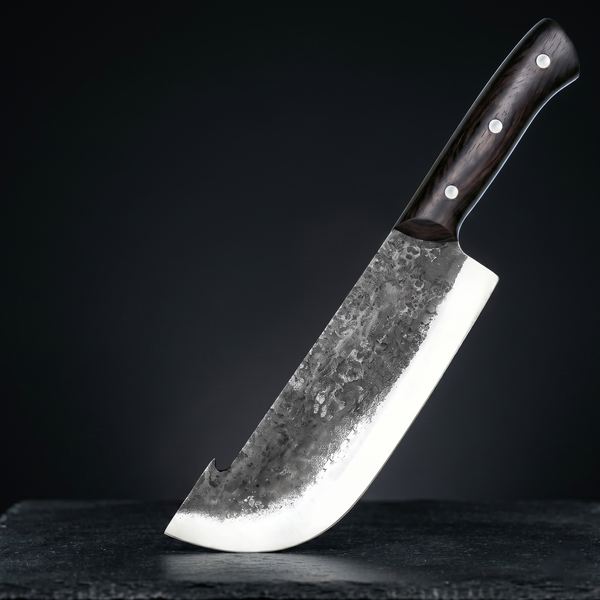
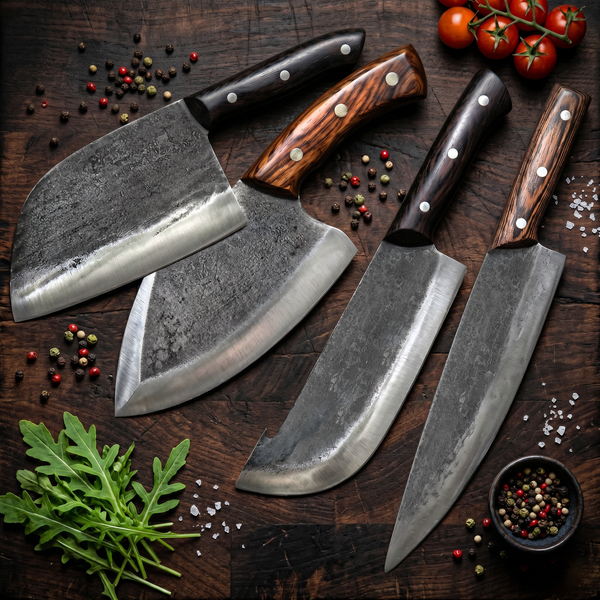
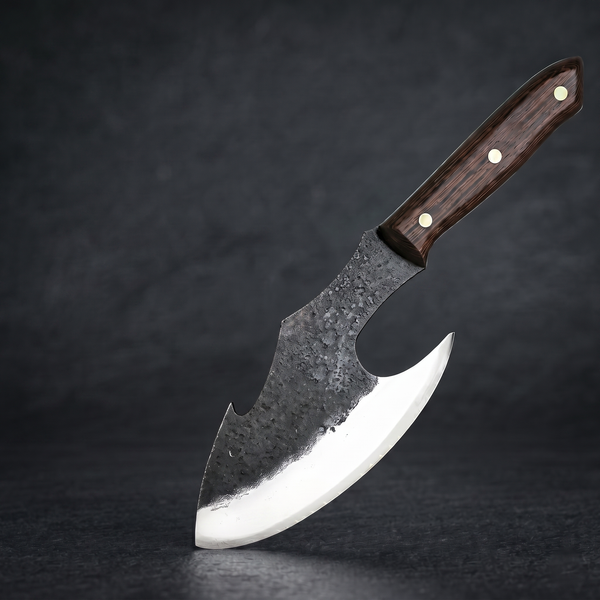
Shop the knives from this guide
Keep reading
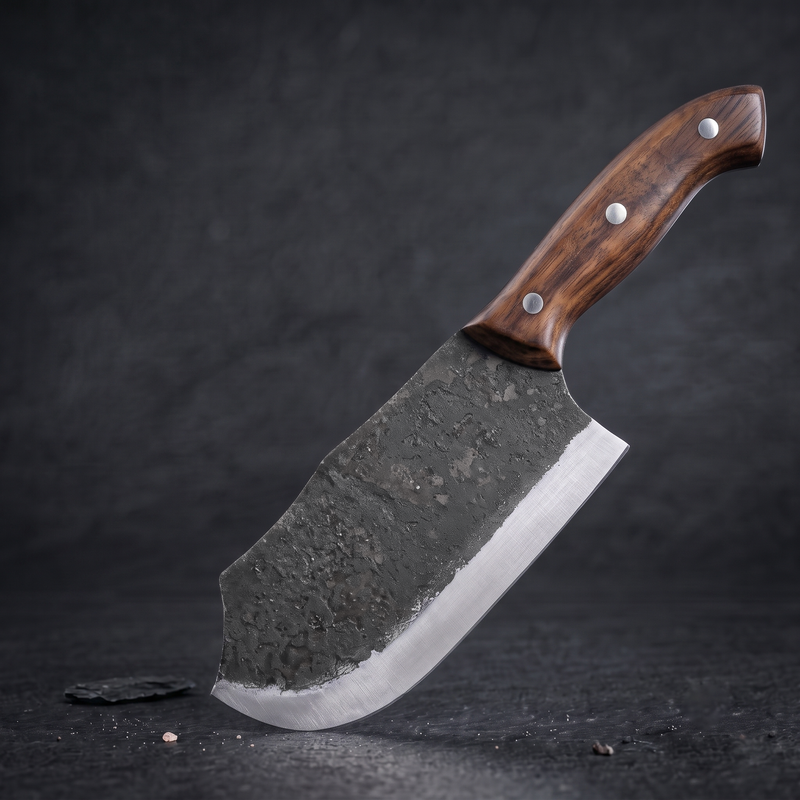
High Carbon Steel Knife Care: Rust, Patina, Oiling and Sharpening
High carbon steel rewards a simple routine. Here is how to wash, dry and oil a carbon steel knife, remove light rust, force a...
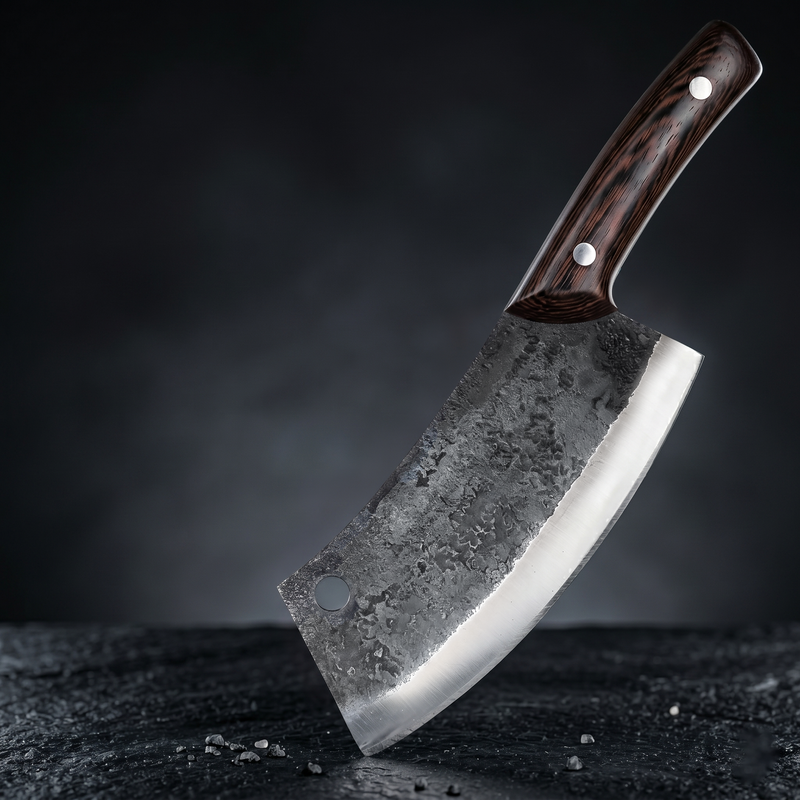
How to Sharpen Kitchen Knives With a Whetstone, Step by Step
A plain guide to sharpening kitchen knives on a whetstone. Which combination stone to buy, how to prepare it, how to find the angle...
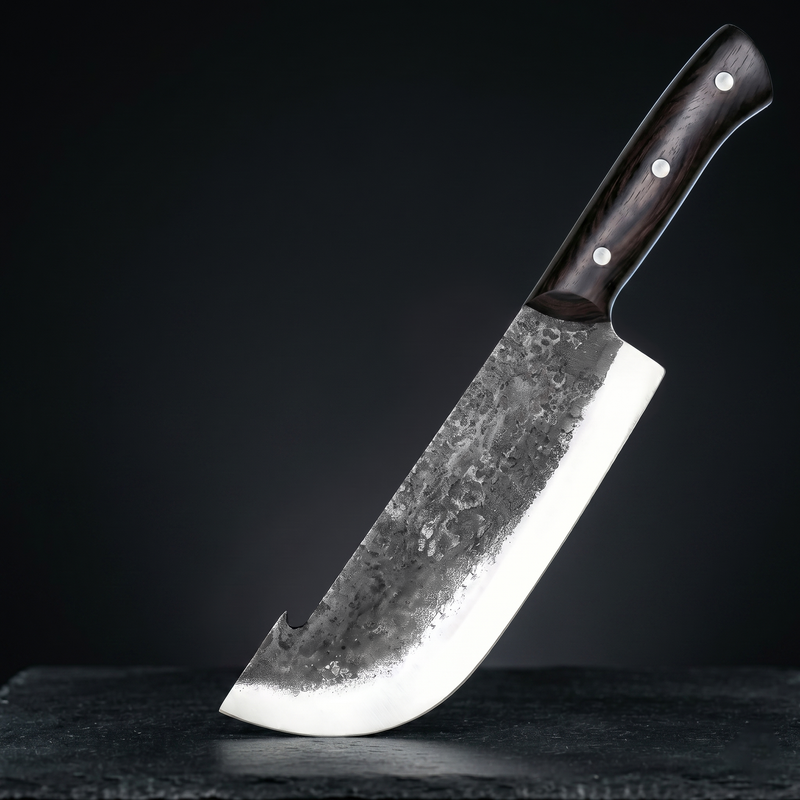
Hand Forged vs Stamped Knives: What Actually Changes
Forged vs stamped knives, explained by people who forge them. How a stamped knife is made, how drop forged and hand forged knives differ,...